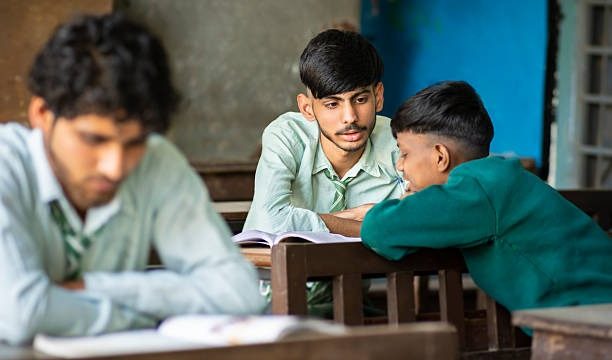
As students approach the end of the semester, the final assessment period can often feel like a mountain to climb.
This time of year, marked by exams, projects, and presentations, can be stressful and overwhelming.
However, adopting a student-focused approach to final assessments can transform this daunting experience into an opportunity for growth and learning.
By shifting the focus from merely achieving grades to fostering understanding and personal development, we can create a more balanced and fulfilling educational journey.
Creating a supportive environment is one of the first steps in this student-focused approach. Teachers and educational institutions play a crucial role in this process. Instead of merely emphasizing the end results, they can cultivate a climate that values effort, curiosity, and collaboration. By encouraging open communication, educators can help students express their concerns and challenges. This creates a safe space where students feel comfortable seeking help and sharing their thoughts, paving the way for a more positive assessment experience.
In addition to fostering a supportive environment, it’s essential to recognize that each student has a unique learning style. Understanding these differences can make a significant impact on how students approach their final assessments. Some students thrive in structured environments, while others may flourish when given more freedom to explore topics creatively. By providing various assessment formats—such as presentations, written reports, or collaborative projects—educators can cater to diverse learning preferences. This flexibility not only enhances engagement but also encourages students to demonstrate their knowledge in ways that resonate with them.
A small shift toward balance can also be achieved by integrating mindfulness practices into the assessment process. As students prepare for their finals, incorporating moments of reflection and relaxation can significantly alleviate stress. Simple techniques, such as deep breathing exercises or short meditation sessions, can help students center themselves and foster a sense of calm. These practices not only improve focus but also encourage a healthier mindset toward learning and achievement. When students feel more balanced, they are better equipped to tackle challenges with clarity and confidence.
Another vital aspect of a student-centered approach is the emphasis on formative feedback. Rather than waiting until the end of the semester to provide evaluations, educators can offer constructive feedback throughout the learning process. This ongoing dialogue allows students to understand their strengths and areas for improvement, making them feel more prepared for the final assessment. When students know what to expect and have the opportunity to refine their skills, they are more likely to approach their assessments with a sense of readiness rather than anxiety.
Encouraging self-evaluation is another effective strategy that fosters a student-focused approach. By guiding students to reflect on their learning journey, educators can empower them to take ownership of their progress. Self-assessment encourages critical thinking and helps students identify their growth areas. This practice not only prepares them for final assessments but also cultivates a lifelong love of learning. When students can appreciate their achievements and recognize their challenges, they develop resilience and adaptability—qualities that are invaluable in both academic and personal endeavors.
The role of peer collaboration also cannot be overlooked in this approach. Group study sessions, peer reviews, and collaborative projects can create a sense of community among students. Working together allows them to share knowledge, motivate one another, and provide support during stressful times. This camaraderie not only enhances their understanding of the material but also nurtures essential teamwork skills. When students feel connected to their peers, the assessment process becomes less isolating and more enriching.
As we consider the emotional well-being of students during finals, it’s essential to remember the importance of balance in their lives. Encouraging students to maintain a healthy lifestyle during this busy time can profoundly impact their performance. Simple practices, such as regular exercise, nutritious meals, and adequate sleep, can enhance cognitive function and overall well-being. When students prioritize self-care, they are more likely to approach their assessments with a clear mind and renewed energy.
Incorporating real-world applications into assessments can also foster a deeper connection to the material. When students see how their learning applies to everyday life, they become more engaged and motivated. Projects that encourage students to explore real issues or challenges can spark their interest and creativity. By making assessments relevant and meaningful, educators can inspire students to invest in their learning, viewing it as a journey rather than a destination.
Ultimately, a student-focused approach to final assessments is about nurturing a culture of learning that values growth, resilience, and collaboration. It’s an invitation for educators to embrace a more holistic view of education, where academic success is not solely defined by grades but by the development of lifelong skills and a love for learning. As we continue to evolve in our educational practices, let us remember that the ultimate goal is to prepare students not just for exams, but for life.
By shifting our perspective and prioritizing the needs of students, we can create a more compassionate and effective assessment process. This approach not only benefits students but enriches the entire educational community, paving the way for a brighter and more inclusive future. As we look ahead to the next assessment period, let’s carry these principles forward, ensuring that every student feels supported, valued, and empowered to succeed on their own terms.