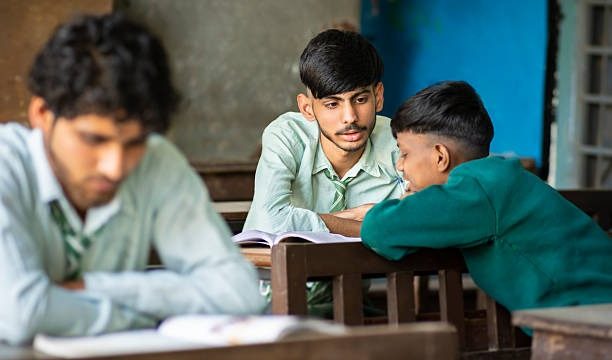
As the semester winds down and the final weeks of a course approach, many students find themselves reflecting on their learning experiences.
This is a natural part of the educational journey, a time to assess what has been gained, what could have been improved, and how these insights can pave the way for future successes.
One of the most effective tools in this reflective process is the end-of-course evaluation.
While often seen as a mere formality, these evaluations hold the potential to foster meaningful change not only for instructors but for the entire learning environment.
Understanding the purpose of end-of-course evaluations is the first step in appreciating their value. These evaluations serve as a bridge between students and educators, creating a channel for feedback that can enhance teaching methods and course content. When students take the time to articulate their thoughts, they contribute to a cycle of continuous improvement that benefits future classes. This mutual exchange transforms evaluations into a collaborative effort, where both parties work together to promote a richer educational experience.
Creating a safe space for feedback is essential in this process. For students, feeling comfortable to express their opinions openly can significantly influence the quality of the evaluations. Instructors can foster this environment by emphasizing the importance of honest and constructive feedback. By reassuring students that their insights will be valued and taken seriously, educators can encourage a more thoughtful and comprehensive reflection. This not only helps in gathering more meaningful data but also empowers students, making them feel like integral participants in their learning journey.
As students complete their evaluations, they often engage in a deeper level of introspection. This reflective practice encourages them to think critically about what they have learned and how they have grown over the course. The act of articulating their experiences helps solidify their understanding and can lead to a greater appreciation of the material. It’s a moment for students to recognize their own progress, which can be incredibly motivating as they prepare for future challenges.
Instructors, on the other hand, can view the feedback as a valuable opportunity for growth. By carefully examining the insights provided, they can identify patterns and trends that may indicate areas needing attention. For example, if multiple students express confusion over a particular concept, it may signal the need for a different teaching approach or additional resources. This reflective practice allows educators to adapt and evolve, ensuring that their teaching methods align with the needs of their students.
A small shift toward balance can occur when both students and instructors engage in this reflective dialogue. Rather than viewing evaluations as a one-sided critique, they can be seen as a shared exploration of the learning experience. This perspective fosters a collaborative atmosphere where both parties are invested in the journey of education. When students feel heard and valued, they are more likely to engage deeply with the course material, leading to a richer learning experience for all involved.
As we consider the role of end-of-course evaluations, it’s important to acknowledge the potential for these reflections to extend beyond the classroom. The skills developed through this process—critical thinking, self-assessment, and constructive feedback—are invaluable in various aspects of life. Students who learn to evaluate their experiences thoughtfully are better equipped to navigate future challenges, whether in further education, the workplace, or personal endeavors. This holistic approach to feedback cultivates a mindset of continuous improvement that can last a lifetime.
Encouraging a culture of feedback can also have a ripple effect within the educational community. When students see their evaluations leading to tangible changes, they are more likely to invest time and effort into future evaluations. This creates a positive feedback loop where both students and instructors are motivated to strive for excellence. As the educational environment becomes more responsive to the needs of its participants, the overall quality of learning experiences can improve significantly.
Furthermore, thoughtful end-of-course evaluations can contribute to a sense of belonging within the academic community. When students feel that their voices matter, they are more likely to develop a connection with their educational institution. This sense of belonging can enhance student engagement, foster collaboration, and ultimately lead to higher retention rates. The act of sharing feedback becomes a unifying experience, bringing together diverse perspectives and creating a richer tapestry of learning.
As we move forward in our educational pursuits, let us remember the importance of thoughtful end-of-course evaluations. They are more than just a requirement; they are an opportunity for growth, reflection, and connection. By embracing this process, we can promote success not only for ourselves but for our peers and educators as well. In the end, the journey of learning is a collective one, and through meaningful dialogue and feedback, we can all contribute to a brighter educational future.
In conclusion, the thoughtful end-of-course evaluation is a gentle reminder of the power of reflection and feedback in our learning journeys. By nurturing an environment where voices are heard and valued, we can cultivate a culture of continuous improvement that benefits everyone involved. As we embrace this practice, we not only enhance our own educational experiences but also pave the way for future generations to thrive. The path to success is often found in the thoughtful reflections we share, guiding us toward a more enriched and fulfilling journey of learning.