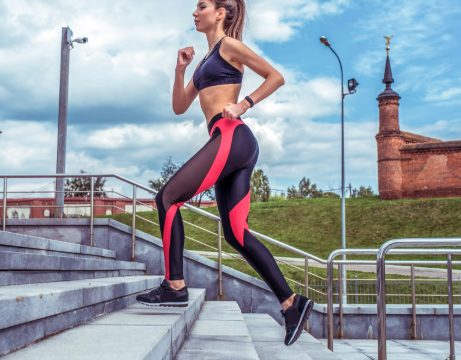
High-Intensity Interval Training, commonly referred to as HIIT, is a powerful approach to fitness that combines short bursts of vigorous activity with periods of rest or lower-intensity movement.
This style of training has gained popularity for its ability to provide meaningful results in a short amount of time, making it an appealing choice for those with busy schedules.
Beyond the physical benefits of improved cardiovascular health, increased strength, and enhanced endurance, HIIT has a unique capacity to encourage a broader active lifestyle. By fostering consistency, boosting energy, and promoting confidence in movement, HIIT can transform the way individuals engage with their daily routines.
One of the primary ways HIIT encourages an active lifestyle is through its efficiency. Workouts can often be completed in twenty to thirty minutes or even less, making them accessible for people who struggle to find time for traditional exercise sessions. This time efficiency removes a common barrier to physical activity and allows individuals to experience the benefits of movement without dedicating hours each day to exercise. The compact nature of HIIT sessions makes it easier to integrate regular workouts into daily life, setting the stage for a more consistent pattern of activity.
HIIT promotes a sense of accomplishment, which can be highly motivating for maintaining an active lifestyle. Completing a session, even a short one, provides tangible evidence of effort and progress. This sense of achievement encourages individuals to continue moving and reinforces the habit of daily exercise. Over time, the positive reinforcement created by completing HIIT workouts can translate into other forms of activity, inspiring participants to walk more, take the stairs, or explore outdoor activities with greater enthusiasm.
The adaptability of HIIT makes it suitable for a wide range of fitness levels, which helps sustain an active lifestyle. Beginners can start with low-impact versions of common exercises, while more experienced individuals can increase intensity, incorporate variations, or extend intervals. The flexibility to adjust the difficulty ensures that workouts remain approachable yet challenging, allowing participants to build confidence in their abilities. As individuals become more comfortable with movement, they are more likely to incorporate additional forms of activity into their day, extending the benefits beyond structured sessions.
Another way HIIT encourages an active lifestyle is by improving energy levels and overall stamina. The combination of short, intense efforts and recovery periods stimulates the cardiovascular system, strengthens muscles, and enhances endurance. As participants experience improvements in physical capacity, daily tasks such as walking, climbing stairs, or carrying groceries become easier and less tiring. This increase in functional fitness makes movement feel more natural and enjoyable, encouraging a broader pattern of activity throughout the day.
Variety within HIIT sessions also plays a role in supporting an active lifestyle. Exercises can target different muscle groups, incorporate upper- and lower-body movements, and involve dynamic patterns that challenge coordination and balance. Alternating between exercises, modifying intervals, or experimenting with new routines keeps workouts engaging and prevents boredom. The sense of creativity and novelty encourages continued participation, making it more likely that individuals will maintain an active routine over time.
Mindfulness and body awareness, which are often emphasized in HIIT, contribute to a positive attitude toward activity. Paying attention to posture, breathing, and form ensures that exercises are performed safely and effectively. This mindful approach helps participants develop a deeper understanding of their bodies and promotes confidence in movement. As individuals become more comfortable and attuned to their physical capabilities, they are more inclined to explore new forms of activity, from recreational sports to outdoor adventures, further enhancing their active lifestyle.
HIIT also fosters mental resilience and motivation. The intensity of the intervals challenges participants to push through discomfort while staying within their limits. Overcoming these challenges builds mental toughness and reinforces the belief that one can handle physical effort and maintain consistency. This mental fortitude often extends beyond structured workouts, influencing daily choices such as prioritizing walking, biking, or other forms of activity instead of prolonged sedentary behavior.
Home-based HIIT sessions make it easy to incorporate activity into daily life without relying on a gym or specialized equipment. Simple bodyweight exercises like squats, lunges, push-ups, and jumping jacks can be performed in small spaces, making workouts accessible and convenient. This ease of access reduces barriers to movement and encourages individuals to maintain consistent activity, even on busy days. The ability to engage in exercise at home also fosters a sense of independence and control, empowering participants to take charge of their fitness journey.
Social interaction can enhance the motivational effects of HIIT and support an active lifestyle. Exercising with friends, family, or in small groups creates accountability, encouragement, and shared enjoyment. Friendly competition or collaborative challenges can make HIIT sessions more engaging and foster a sense of community. Positive social experiences associated with exercise reinforce the desire to move regularly and can lead to additional forms of activity outside of structured sessions, such as walking with a friend, joining a recreational league, or participating in outdoor group activities.
Tracking progress within HIIT encourages consistency and supports the development of an active lifestyle. Recording completed sessions, intervals, or exercise variations provides a tangible sense of achievement and allows participants to see improvements over time. Noticing gains in endurance, strength, or coordination reinforces the benefits of consistent movement and motivates continued participation. Progress tracking encourages a proactive approach to fitness, helping individuals stay engaged and mindful of their activity patterns.
The mental and emotional benefits of HIIT further contribute to an active lifestyle. Structured movement stimulates the release of endorphins, which improve mood, reduce stress, and create a sense of well-being. Experiencing these positive effects reinforces the desire to engage in movement consistently. When exercise is associated with mental clarity, emotional balance, and energy, it becomes easier to make active choices throughout the day, whether that involves walking, cycling, or exploring new recreational activities.
Recovery and rest are also integral to sustaining an active lifestyle with HIIT. Short periods of active recovery, stretching, and mindful breathing during and after sessions allow the body to reset and prevent fatigue or injury. Proper recovery ensures that participants can maintain consistency and approach each session with renewed energy. By balancing effort with rest, HIIT promotes sustainable habits that support long-term engagement in physical activity.
In conclusion, HIIT encourages an active lifestyle by combining efficiency, adaptability, and mental engagement with structured, high-intensity intervals. Through consistent participation, participants gain cardiovascular fitness, strength, endurance, and functional capacity, which make daily movement easier and more enjoyable. The accessibility of home-based workouts, the motivational effects of accomplishment and progress tracking, and the mental and emotional benefits of regular exercise all contribute to sustaining an active routine. By exploring variety, mindful practice, and social engagement, individuals can transform HIIT from a workout into a catalyst for a broader, more energized, and health-centered lifestyle. Through short bursts of focused effort and consistent engagement, HIIT helps individuals develop habits that extend beyond structured sessions, fostering an active, fulfilling, and balanced approach to daily life.