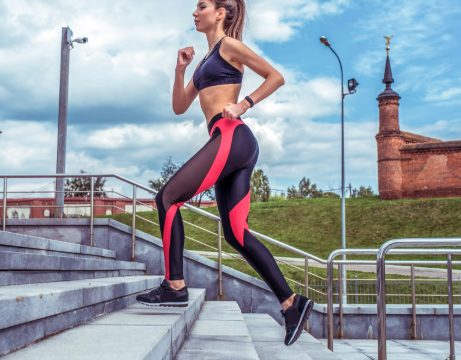
High-Intensity Interval Training, better known as HIIT, has become a popular approach to fitness for good reason.
Its combination of short bursts of intense exercise followed by brief recovery periods offers an effective way to improve cardiovascular health, build strength, and boost energy in a short amount of time.
One of the greatest advantages of HIIT is its versatility, especially when it comes to home workouts. With little or no equipment, anyone can design sessions that are challenging, enjoyable, and adaptable to their fitness level. HIIT exercises performed at home provide a convenient, efficient, and empowering way to stay active.
One of the most appealing aspects of HIIT at home is accessibility. Unlike gym-based routines that may require machines or specialized equipment, many effective HIIT exercises rely solely on body weight. Movements such as squats, lunges, push-ups, mountain climbers, jumping jacks, and high knees form the backbone of home HIIT routines. These exercises engage multiple muscle groups, elevate the heart rate, and can be easily modified to match individual fitness levels. For instance, beginners may choose a slower pace or fewer repetitions, while more experienced participants can increase intensity or duration. The simplicity of bodyweight HIIT ensures that anyone can get started immediately, without the need for costly equipment or memberships.
Structuring a HIIT session at home can be straightforward and flexible. A common approach is to perform twenty to forty seconds of high-intensity exercise followed by fifteen to thirty seconds of rest, repeated across several rounds. For example, a sequence could include jumping jacks, push-ups, lunges, and mountain climbers, each performed for thirty seconds with a brief recovery period between exercises. Completing three to five rounds provides a complete workout that targets both the upper and lower body, improves cardiovascular fitness, and challenges endurance. The short intervals keep sessions manageable, while the variety keeps them engaging.
Adding creativity to home HIIT routines enhances enjoyment and motivation. For those who enjoy movement with rhythm, dance-inspired intervals can be incorporated, turning exercises into a lively and playful experience. Alternating between strength-focused movements, such as push-ups and squats, and cardio-based intervals, like high knees or burpees, maintains variety and prevents monotony. Even simple modifications, such as changing the pace, adding pulses, or including balance challenges, can refresh familiar exercises. Creative adjustments keep the mind engaged and make the workout feel less like a chore and more like an energizing break in the day.
Equipment, while optional, can expand the possibilities for home HIIT. Resistance bands, small dumbbells, or a sturdy chair can be used to increase intensity and add variety. Bands can provide extra resistance during squats or glute bridges, dumbbells can make lunges and presses more challenging, and a chair can be used for step-ups or tricep dips. Even simple household items, like water bottles or a backpack filled with books, can serve as light weights. These additions allow participants to progress as their fitness improves while keeping workouts interesting and dynamic.
Short, frequent HIIT sessions are another benefit of home-based exercise. Even ten to fifteen minutes can provide meaningful benefits when performed consistently. For example, a quick morning session can wake up the body and mind, while an afternoon burst of activity can help overcome fatigue and improve focus. Evening sessions can release stress accumulated throughout the day and promote a sense of relaxation. The flexibility of short sessions ensures that HIIT can fit naturally into daily routines, making regular exercise attainable for anyone, regardless of schedule constraints.
Mindfulness and attention to form are important aspects of effective HIIT at home. Performing exercises with proper alignment, controlled movement, and attention to breathing not only improves results but also reduces the risk of injury. Focusing on each movement encourages a connection between mind and body, enhancing both the physical and mental benefits of the workout. Over time, this awareness helps participants refine technique, build confidence, and feel more in tune with their bodies.
Tracking progress is an effective way to maintain motivation and celebrate achievements in home HIIT routines. Recording completed sessions, noting repetitions, or timing intervals provides tangible feedback that highlights improvement. Seeing progress over days and weeks, whether through increased endurance, faster recovery, or more repetitions, reinforces consistency and encourages continued effort. Recognizing these small victories can be particularly motivating and enhances the sense of accomplishment that comes with regular exercise.
HIIT can also be adapted for varying levels of fitness and energy. Beginners might start with shorter intervals, lower-intensity movements, and longer rest periods, gradually increasing intensity and duration as endurance improves. Intermediate participants can combine multiple rounds, increase interval length, or include more challenging exercises. Advanced exercisers might push the pace, reduce rest, or add complex movements that challenge coordination and strength. This adaptability ensures that HIIT remains accessible to everyone while offering the potential for ongoing progression.
Recovery and self-care play an essential role in maintaining a sustainable HIIT routine at home. Even short sessions place demand on the muscles and cardiovascular system, so it is important to incorporate rest days and gentle stretching. Hydration, nutrition, and adequate sleep support recovery, allowing participants to perform at their best in each session. By respecting the body’s need for rest and restoration, home HIIT remains effective, safe, and enjoyable over the long term.
Social and motivational elements can also enhance home HIIT. Connecting with friends, joining online classes, or sharing routines virtually can provide accountability, encouragement, and a sense of community. Friendly challenges, group sessions, or simply celebrating progress with others adds enjoyment and reinforces commitment. This social aspect makes HIIT more engaging and helps participants feel supported as they maintain a consistent routine.
Ultimately, the key to effective home HIIT is consistency, variety, and enjoyment. By designing sessions that fit your schedule, align with your preferences, and challenge both body and mind, you can create a routine that is both effective and sustainable. The combination of bodyweight movements, optional equipment, creative intervals, and mindfulness ensures that home-based HIIT is versatile, engaging, and rewarding. It provides an accessible way for anyone to improve cardiovascular fitness, build strength, and maintain energy while feeling empowered and motivated.
In conclusion, HIIT exercises at home offer a flexible, efficient, and enjoyable approach to fitness. With minimal equipment, adaptable intervals, and creative variations, anyone can establish a routine that strengthens the body, energizes the mind, and supports long-term well-being. Short, structured sessions provide tangible results, improve endurance, and elevate mood, while mindful engagement ensures safety and effectiveness. By embracing HIIT at home, individuals can cultivate a consistent practice that fits naturally into their lifestyle, making movement an accessible, rewarding, and motivating part of everyday life.