Staying active does not require a gym, expensive machines, or specialized equipment.
Some of the most effective and accessible forms of exercise rely solely on your body and the space around you.
Activities that use your own body weight or everyday environments can improve strength, flexibility, endurance, and overall well-being. Approaching movement with creativity and intention allows you to stay active anywhere, anytime, while keeping exercise friendly, enjoyable, and sustainable.
One of the simplest ways to stay active without equipment is walking. Walking engages large muscle groups, improves cardiovascular health, and provides mental clarity. A brisk walk around your neighborhood, a nearby park, or even within your home can elevate heart rate and support overall fitness. You can vary your pace, incorporate inclines, or alternate between fast and slow intervals to add intensity. Walking is adaptable for all fitness levels and can easily be integrated into daily routines, making it one of the most approachable ways to move without equipment.
Bodyweight exercises are versatile and highly effective for maintaining strength and mobility. Movements such as squats, lunges, push-ups, planks, and glute bridges work multiple muscle groups simultaneously. These exercises can be modified to suit different fitness levels; for example, knee push-ups or wall push-ups reduce intensity while maintaining benefit. Bodyweight exercises build functional strength, improve posture, and enhance coordination, all without requiring any tools or machines. Consistency in these exercises gradually increases strength and confidence.
Stretching and mobility exercises are essential for overall fitness and can be done entirely without equipment. Gentle stretches for the shoulders, hips, back, and legs maintain flexibility, release tension, and prevent stiffness. Dynamic stretches, such as leg swings or torso twists, warm up muscles before activity, while static stretches at the end of a session support recovery. Incorporating stretching into your daily routine promotes mobility, reduces injury risk, and prepares your body for other movements.
Yoga is another excellent way to stay active without equipment. Many yoga poses rely solely on body weight and focus on balance, flexibility, and strength. Poses such as downward dog, cat-cow, and warrior sequences engage muscles while encouraging mindful breathing. Yoga also provides mental benefits, reducing stress and improving focus. Practicing yoga regularly without equipment allows you to connect with your body, improve posture, and cultivate calmness while maintaining physical activity.
Cardiovascular exercises that require no equipment can be both fun and challenging. Activities such as jumping jacks, high knees, burpees, or mountain climbers elevate heart rate, boost endurance, and increase calorie expenditure. These movements can be performed in short intervals or combined into circuits for a more comprehensive workout. Modifying intensity to match your fitness level ensures that cardio exercises remain accessible and safe while still being effective.
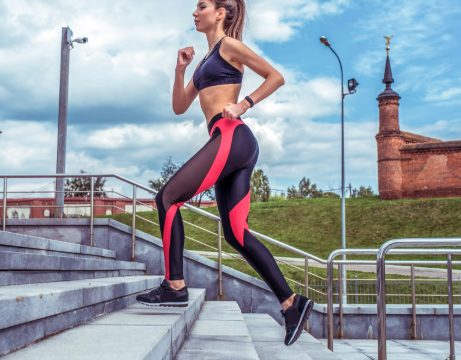
Stair climbing is a practical and highly effective way to stay active without any equipment. Using stairs in your home or local area engages leg muscles, improves cardiovascular health, and builds endurance. You can vary the pace, step two at a time, or add gentle movements such as calf raises on each step to increase the challenge. Stair climbing is convenient, requires no special gear, and provides measurable progress that can be tracked over time.
Creative movement activities can turn everyday spaces into opportunities for exercise. Dancing in your living room, performing simple choreographed routines, or following online movement videos uses body weight and encourages flexibility and coordination. These activities provide both physical and mental benefits, making exercise feel playful rather than structured or obligatory. Dancing or moving creatively also improves mood and fosters a sense of enjoyment that supports long-term consistency.
Engaging in core-focused exercises is another effective method for staying active without equipment. Movements such as planks, side planks, bicycle crunches, and leg lifts strengthen the abdominal and back muscles. A strong core improves posture, balance, and overall functionality in daily life. Core exercises can be adapted for different levels, and combining them with other bodyweight exercises creates a well-rounded, equipment-free workout routine.
Using household items for resistance or balance adds variety without requiring formal equipment. Chairs, towels, or walls can support exercises such as tricep dips, wall sits, or standing balance movements. While these items are not specialized equipment, they provide additional challenge and encourage creativity in your routines. Simple household adaptations make exercise accessible and keep your workouts engaging and effective.
Mindful movement practices such as tai chi or qigong can also be performed without equipment. These exercises involve slow, controlled movements, coordinated with breathing and focus. They improve balance, flexibility, and mental clarity while being gentle on joints. Incorporating mindful movement into daily activity enhances overall well-being and creates a calming complement to more vigorous exercises.
Tracking progress helps maintain motivation and confidence when exercising without equipment. Keeping a journal, noting repetitions, duration, or personal milestones, allows you to recognize improvement over time. Tracking progress reinforces consistency and provides a sense of achievement, encouraging continued commitment to bodyweight and equipment-free activities. Celebrating small wins, such as increased endurance or improved form, strengthens confidence and supports long-term success.
Consistency is key to achieving benefits from equipment-free exercise. Even short sessions, when performed regularly, contribute to strength, flexibility, and cardiovascular health. Integrating movement into daily life—taking short walking breaks, performing stretches after waking, or completing brief bodyweight circuits—ensures that activity becomes habitual rather than occasional. Regular movement builds stamina, improves mood, and supports a healthy lifestyle without reliance on gyms or equipment.
Safety is an important consideration when performing equipment-free exercises. Paying attention to proper form, warming up before activity, and choosing safe spaces reduces risk of injury. Listening to your body and modifying exercises based on comfort and ability ensures that movement remains enjoyable and sustainable. Prioritizing safety fosters confidence and encourages consistent participation, reinforcing a positive relationship with exercise.
In conclusion, staying active without equipment is both practical and effective. Walking, bodyweight exercises, stretching, yoga, cardio, stair climbing, creative movement, core work, mindful practices, and household adaptations provide ample opportunities to maintain fitness and well-being. By focusing on consistency, safety, variety, and mindfulness, you can build strength, flexibility, endurance, and mental clarity—all without relying on machines or specialized tools. Approaching movement with creativity and positivity ensures that exercise feels accessible, enjoyable, and rewarding. Equipment-free exercise demonstrates that staying active is not about what you have but about how you engage with your body, make movement a habit, and embrace opportunities to move every day.