Exercise is often associated with physical health, strength, and appearance, but one of its most powerful benefits is the boost it can give to confidence.
Confidence grows not only from visible results but from the sense of accomplishment, discipline, and self-awareness that comes from regular movement.
Workouts that encourage progress, celebrate achievements, and engage both mind and body can help individuals of all levels feel more capable, resilient, and empowered. By choosing activities that are enjoyable, attainable, and challenging in the right way, anyone can build confidence through fitness.
One of the most effective ways to cultivate confidence through exercise is to focus on achievable goals. Setting realistic objectives, whether it is completing a short walk, holding a plank for a few seconds longer, or mastering a yoga pose, creates a clear path to success. Reaching these goals provides a sense of accomplishment, reinforcing self-belief and motivation. Over time, consistent achievement, no matter how small, contributes to a growing sense of competence and confidence in one’s abilities.
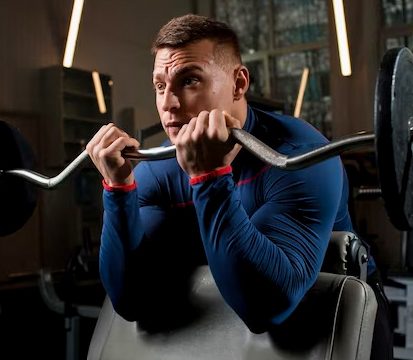
Strength training is particularly effective for building confidence. Engaging in exercises like squats, lunges, push-ups, or resistance band movements strengthens muscles while improving posture and functional ability. Feeling stronger in daily life, such as being able to carry groceries more easily or climb stairs without strain, reinforces self-assurance. Strength training also teaches discipline and persistence, two qualities that directly contribute to confidence. Each session becomes a reminder that consistent effort leads to tangible improvements.
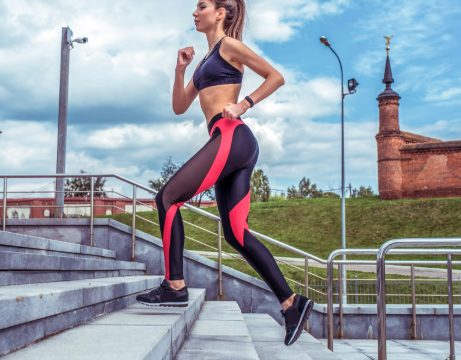
Cardiovascular exercise is another powerful tool for confidence-building. Activities such as walking, jogging, cycling, swimming, or dancing elevate heart rate, improve endurance, and release endorphins. Completing a cardio session, no matter how short, brings a sense of accomplishment and vitality. Over time, improvements in stamina and energy levels translate into confidence in physical capabilities, creating a positive feedback loop that encourages continued participation and growth.
Flexibility and mobility exercises support both physical ease and confidence. Stretching, yoga, and dynamic mobility routines improve range of motion, reduce stiffness, and enhance comfort in daily movement. Being able to move freely and without discomfort increases self-assurance and contributes to a more positive body image. Flexibility work also encourages mindfulness, as individuals connect with their bodies and appreciate what they are capable of achieving, further enhancing self-confidence.
Mindful exercise is especially beneficial for building mental and emotional confidence. Paying attention to breathing, posture, and muscle engagement during movement fosters awareness and presence. Mindfulness encourages individuals to recognize progress, appreciate effort, and celebrate small wins. This focused attention helps reduce self-criticism and promotes a sense of mastery over one’s body, reinforcing a positive mindset that extends beyond workouts into daily life.
Group workouts and social engagement can also enhance confidence. Participating in classes, walking clubs, or online communities provides motivation, accountability, and encouragement. Sharing experiences, celebrating progress with others, and receiving supportive feedback reinforces self-assurance. Exercising in a friendly, communal environment fosters a sense of belonging and reminds individuals that progress is personal and valuable, regardless of others’ abilities.
Variety in exercise routines helps maintain engagement and reinforces confidence. Trying different activities, such as light strength training, yoga, cardio circuits, or dance-based workouts, challenges the body in new ways and prevents stagnation. Exploring new movements allows individuals to discover strengths they may not have known they had, increasing self-efficacy and confidence. Each new skill or milestone achieved through varied workouts reinforces a sense of personal growth and capability.
Short, consistent sessions are particularly effective for busy individuals who want to build confidence through exercise. Even ten to twenty minutes of focused movement daily can produce noticeable improvements in strength, endurance, and flexibility. Completing these sessions consistently creates a sense of reliability and discipline, both of which contribute to confidence. The act of showing up for oneself every day, even in small ways, sends a powerful message of self-respect and empowerment.
Progressive challenges are key to maintaining confidence-building workouts. Gradually increasing repetitions, resistance, or intensity allows the body to adapt safely while reinforcing the ability to meet new challenges. This principle applies to all types of movement, whether performing an extra set of squats, holding a plank longer, or mastering a new yoga flow. Achieving these incremental goals confirms personal growth, teaching that confidence is built through consistent effort and steady progression.
Functional exercises that improve everyday life contribute significantly to self-assurance. Activities that enhance balance, coordination, and strength make routine tasks easier and safer, fostering independence and confidence. For example, exercises that strengthen the legs and core improve stability, making walking on uneven surfaces or standing for longer periods more comfortable. Functional fitness directly connects exercise with real-world abilities, reminding individuals of their strength and capability.
Celebrating progress, rather than focusing solely on perfection, is essential for confidence-building workouts. Recognizing effort, improvement, and persistence fosters a positive mindset and reinforces self-worth. Journaling achievements, tracking personal records, or simply reflecting on the ability to complete a session nurtures motivation and belief in one’s potential. Confidence grows when attention shifts from comparison to personal accomplishment, allowing individuals to appreciate their unique journey.
Recovery and self-care are equally important in cultivating confidence through exercise. Adequate rest, hydration, and nutrition support performance, reduce fatigue, and prevent injury. Recognizing the importance of recovery reinforces the idea that progress is sustainable and that caring for one’s body is a form of self-respect. Comfort and well-being during exercise sessions foster a positive association with movement, strengthening confidence and promoting consistency.
Accessible and adaptable exercises ensure that confidence-building workouts are inclusive for all skill levels. Modifying movements to suit ability, providing support, or using gentle variations allows everyone to participate successfully. When exercise is approachable and achievable, it reinforces the belief that fitness is attainable and personal growth is possible. Adaptable workouts reduce frustration and empower individuals to move confidently at their own pace.
Integrating positive reinforcement into routines enhances the confidence-building effect. Encouraging self-talk, recognizing small wins, and maintaining a supportive mindset during exercise strengthen resilience and self-belief. When individuals approach workouts with encouragement rather than criticism, confidence flourishes. Exercise becomes a tool not only for physical improvement but also for mental empowerment and emotional growth.
Finally, approaching fitness as a lifelong journey fosters lasting confidence. Understanding that progress takes time and that setbacks are natural encourages patience and persistence. Workouts that focus on skill development, strength, endurance, and mobility emphasize the process rather than immediate results. This perspective reinforces self-assurance, teaching that effort, consistency, and resilience are central to personal growth.
In conclusion, workouts that help build confidence combine achievable goals, mindful engagement, functional strength, variety, consistency, and supportive practices. Strength training, cardiovascular activity, flexibility work, mindful movement, and social engagement all contribute to a sense of capability and self-belief. By celebrating progress, prioritizing comfort, and embracing gradual challenges, exercise becomes a powerful tool for personal empowerment. Confidence grows as individuals recognize their strength, resilience, and achievements, both in and outside of workouts.
Building confidence through fitness is not about perfection or comparison. It is about developing a positive relationship with one’s body, celebrating progress, and appreciating the ability to meet challenges. Regular, intentional, and enjoyable workouts create a foundation of self-assurance, resilience, and motivation that extends far beyond the exercise session. By incorporating these principles into daily routines, anyone can experience the empowering benefits of movement and cultivate confidence that lasts a lifetime.