In today’s ever-changing world, the importance of fostering friendship and encouraging sharing in the classroom cannot be overstated.
As children embark on their educational journeys, they not only acquire knowledge but also learn the invaluable skills of cooperation and empathy.
Creating an environment that nurtures these qualities can lead to a more harmonious classroom atmosphere, where every child feels valued and connected.
Building connections among students starts with simple acts of kindness. When children are encouraged to share their thoughts and experiences, they begin to understand that their voices matter. This sense of belonging is crucial for their emotional and social development. Teachers can facilitate this by creating opportunities for students to express themselves in a safe space, whether through group discussions, collaborative projects, or creative arts. By doing so, children learn to appreciate each other’s perspectives and develop the foundation for lasting friendships.
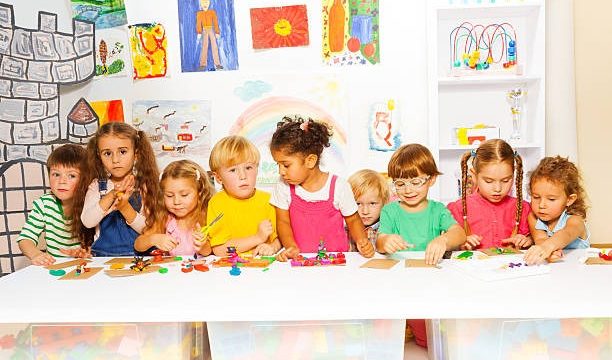
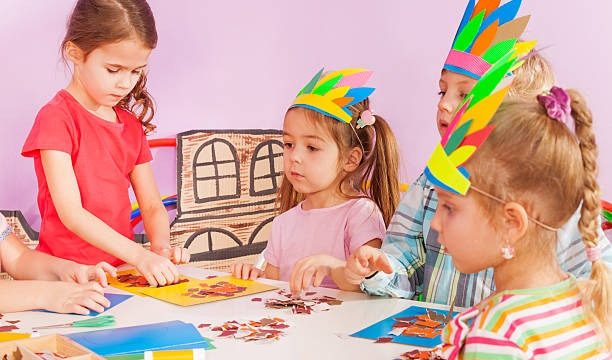
A small shift toward balance can make a significant difference in promoting sharing. Instead of focusing solely on individual achievements, educators can emphasize the importance of teamwork. Assigning group tasks that require collaboration encourages students to work together, share ideas, and support one another. This not only fosters a spirit of camaraderie but also helps children develop essential skills like problem-solving and communication. By celebrating group successes, teachers can reinforce the idea that sharing and working together leads to greater accomplishments.
Encouraging empathy is another cornerstone of friendship in the classroom. When children learn to recognize and understand the feelings of their peers, they become more compassionate individuals. Educators can introduce activities that promote empathy, such as role-playing scenarios that allow students to step into someone else’s shoes. This can be particularly effective in highlighting the importance of kindness and understanding. When students practice empathy, they are more likely to offer support to one another, creating a nurturing environment where friendships can flourish.
Incorporating sharing into the daily routine can also enhance the classroom experience. Simple practices, such as sharing a story or a personal item during circle time, can help students connect on a deeper level. These moments of sharing can spark conversations and build trust among peers. Additionally, creating a “sharing corner” in the classroom, where students can leave books, toys, or art supplies for others to use, encourages a culture of generosity. This not only fosters friendships but also teaches children about the joy of giving and receiving.
The role of educators in modeling sharing behavior should not be overlooked. When teachers demonstrate their willingness to share resources, ideas, and even their time, they set a powerful example for students. This creates an atmosphere where children feel encouraged to mirror these behaviors. Teachers can share their own experiences, challenges, and triumphs, allowing students to see the value in openness and vulnerability. By fostering this kind of environment, educators can help students feel comfortable forming connections with one another.
Creating a supportive community extends beyond the classroom walls. Encouraging families to participate in classroom activities can strengthen the bonds among students. Organizing events such as potlucks, family game nights, or community service projects invites parents and guardians to engage with the school environment. This involvement can help children see their peers in a different light, fostering friendships that extend outside of school hours. Moreover, it reinforces the idea that sharing and collaboration are not only valuable in the classroom but also in everyday life.
As friendships develop, it’s essential to recognize that conflicts may arise. Teaching children conflict resolution skills is crucial for maintaining healthy relationships. Educators can guide students in navigating disagreements by encouraging open communication and active listening. By providing tools for resolving conflicts amicably, children learn that it’s possible to disagree without damaging friendships. This understanding fosters resilience and helps students cultivate lasting connections based on trust and respect.
Celebrating diversity within the classroom can also enrich the experience of sharing and friendship. When children are exposed to different cultures, traditions, and perspectives, they develop a broader understanding of the world around them. Encouraging students to share their unique backgrounds and experiences fosters appreciation and respect for one another. This not only enhances friendships but also prepares children to thrive in an increasingly diverse society.
As we reflect on the importance of sharing and friendship in the classroom, it becomes clear that these qualities contribute significantly to a child’s overall well-being. When students feel connected to their peers, they are more likely to engage in their learning and develop a positive attitude toward school. The friendships they form during these formative years can have a lasting impact on their lives, shaping who they become as individuals.
In conclusion, creating an environment that encourages sharing and friendship requires a thoughtful approach. By fostering empathy, promoting collaboration, and celebrating diversity, educators can cultivate a classroom atmosphere where every child feels valued and supported. The friendships that blossom in this nurturing environment can lead to a lifetime of shared experiences and cherished memories. Ultimately, the goal is to empower children to not only succeed academically but also to grow into compassionate, caring individuals who understand the importance of connection and community.