Engaging young minds through art and music is a beautiful way to foster creativity and self-expression in kindergarteners.
These activities not only bring joy but also help develop fine motor skills, enhance social interactions, and build a foundation for emotional intelligence.
As parents and educators, creating an inviting space for children to explore their artistic and musical talents can be a rewarding experience. Here are some delightful art and music projects that can spark imagination and creativity in your little ones.
A gentle introduction to painting can be a delightful experience for young children. Instead of traditional brushes, consider using natural materials like leaves, sponges, or even their fingers. Set up a large sheet of paper outdoors, and let the children explore colors and shapes in a free-form setting. The joy of watching their creations come to life using unconventional tools can be incredibly fulfilling. Encourage them to express how the colors make them feel or what they envision as they paint. This not only cultivates their artistic skills but also promotes emotional expression.
Incorporating music into the art experience can create a harmonious blend of both worlds. Playing soft, instrumental music while the children paint can inspire them and set a calming atmosphere. You may notice that their movements and brush strokes begin to synchronize with the rhythm of the music, creating a delightful synergy between sound and color. After the painting session, gather around to discuss what they created and how the music influenced their artwork. This reflection can deepen their understanding of the connection between art and emotion.
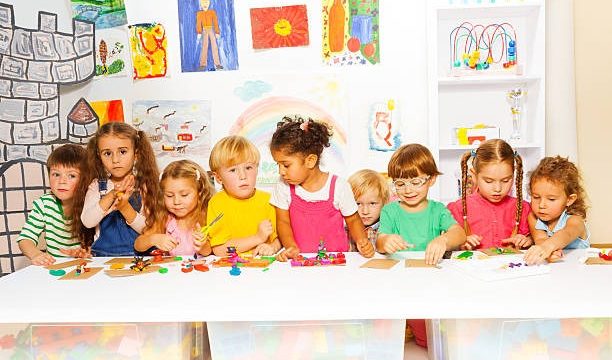
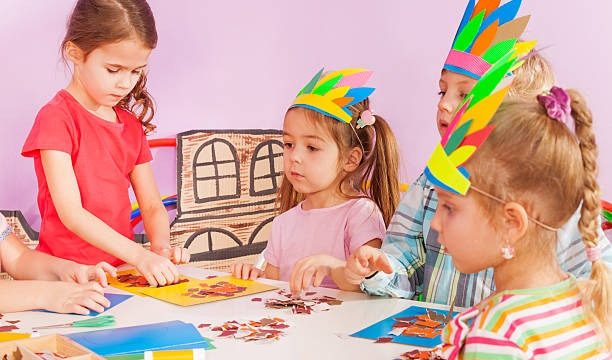
Exploring the world of collage is another fantastic project for kindergarteners. Using magazines, old books, and various textured materials can ignite their imagination. Provide safety scissors and non-toxic glue, and let them cut out images that resonate with them. This project encourages decision-making as they choose what to include in their collage. It can be a great opportunity to discuss themes, such as nature, family, or dreams, as they work on their pieces. The act of layering different materials fosters creativity and helps develop spatial awareness.
As children create their collages, consider playing music from different cultures around the world. This can serve as an auditory backdrop and introduce them to diverse sounds and rhythms. Afterward, encourage them to share their collages and the stories behind their chosen images. This not only enhances their storytelling skills but also promotes a sense of community as they listen to each other’s narratives.
Another engaging project is to create musical instruments using everyday materials found around the house. This can include making shakers from plastic bottles filled with rice or beans, or drums from empty containers. Allowing children to customize their instruments through painting or decorating can add a personal touch. Once their instruments are ready, gather them for a fun music-making session. Let them experiment with different sounds and rhythms, and encourage them to play along with their favorite songs. This fosters a sense of accomplishment and teamwork as they create music together.
Incorporating movement into these musical projects can further enhance the experience. Consider organizing a simple dance party where children can use their newly made instruments. Encourage them to express themselves through movement, allowing them to explore the relationship between music and physical expression. This not only promotes gross motor skills but also instills a sense of joy and freedom.
Transitioning from hands-on projects to storytelling can create a well-rounded creative experience. Encourage children to illustrate their favorite story or create their own narrative using drawings and paintings. This not only nurtures their artistic abilities but also enhances their comprehension and literacy skills. Providing a cozy reading corner stocked with books can inspire them to delve into storytelling. You might even consider inviting them to perform their stories, using their instruments as sound effects or background music. This encourages public speaking and builds confidence in their abilities.
A small shift toward balance can be achieved by integrating mindfulness into these creative activities. Before starting an art or music project, take a moment to breathe deeply and express gratitude for the materials and the opportunity to create. This simple practice helps children center themselves and appreciate the process rather than focus solely on the outcome. Encourage them to notice their feelings and thoughts as they engage in their projects, fostering a deeper connection to their creative practices.
As the projects unfold, remember to celebrate each child’s unique expression. Art and music are deeply personal, and acknowledging their efforts can boost their self-esteem. Consider hosting a small exhibition where children can showcase their artwork and perform their music for family and friends. This celebration of creativity not only validates their hard work but also reinforces the importance of sharing and community.
In conclusion, art and music projects provide a nurturing environment for kindergarteners to explore their creativity and express their emotions. Through painting, collage-making, instrument creation, and storytelling, children can develop essential skills while having fun. By fostering an atmosphere of support and encouragement, we can inspire the next generation of artists and musicians. So gather your materials, turn on some music, and let the creative journey begin.