In the world of early childhood development, hands-on learning projects have become a cherished avenue for sparking curiosity and creativity in young minds.
These experiences allow children to engage with the world around them in a tactile and immersive way.
It’s a beautiful dance of exploration, where learning transcends the confines of textbooks and enters the vibrant realm of real-life application.
When children participate in hands-on activities, they not only grasp concepts more effectively but also develop essential skills such as problem-solving, critical thinking, and collaboration. As parents and caregivers, fostering an environment rich in these experiences can lead to joyful discoveries and meaningful interactions. Here, we explore a variety of engaging hands-on learning projects that can inspire young kids to learn through play and exploration.
Creating a sensory garden can be a delightful project that invites children to connect with nature. Imagine a small patch of earth dedicated to an array of textures, scents, and colors. Kids can dig their hands into the soil, plant seeds, and watch as their efforts blossom into vibrant flowers or delicious vegetables. This project not only teaches them about plant biology but also allows them to experience the joy of nurturing life. Adding elements like fragrant herbs or soft grasses can stimulate their senses even further, making the garden a multi-sensory experience.
Another engaging project is crafting homemade musical instruments. Using everyday materials, children can create shakers from rice-filled containers, drums from pots and pans, or even string instruments from boxes and rubber bands. This activity not only encourages creativity but also introduces basic concepts of sound and rhythm. As they play their instruments, children can explore the relationship between different materials and the sounds they produce, fostering an appreciation for music and creativity.
Exploring the world of cooking can also be a fantastic hands-on learning project. Involving kids in the kitchen allows them to learn about measurements, following instructions, and the science behind cooking. Simple recipes like homemade pizza or fruit salad can be both fun and educational. As they chop, mix, and taste, children develop fine motor skills and an understanding of nutrition. Plus, the satisfaction of enjoying their culinary creations is a delightful reward that can inspire a lifelong love for cooking.
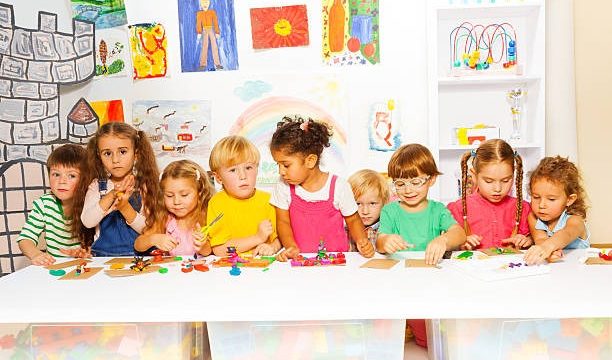
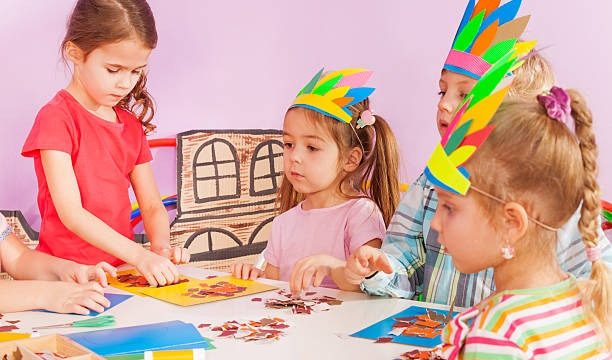
Art projects can be another wonderful way to engage young minds. Setting up a space for free expression with paints, crayons, and various craft supplies invites creativity to flow. Children can explore different techniques, from finger painting to collage-making. This not only allows them to express their emotions and ideas but also enhances their fine motor skills and hand-eye coordination. Art becomes a medium for communication, where children can share their thoughts and feelings without the constraints of words.
For those little scientists at heart, conducting simple experiments can ignite a passion for discovery. Projects like creating a volcano with baking soda and vinegar or growing crystals from sugar or salt can be both mesmerizing and educational. As children observe the reactions and changes, they begin to grasp fundamental scientific principles. This hands-on approach encourages them to ask questions, make predictions, and learn from outcomes, nurturing a sense of wonder about the world.
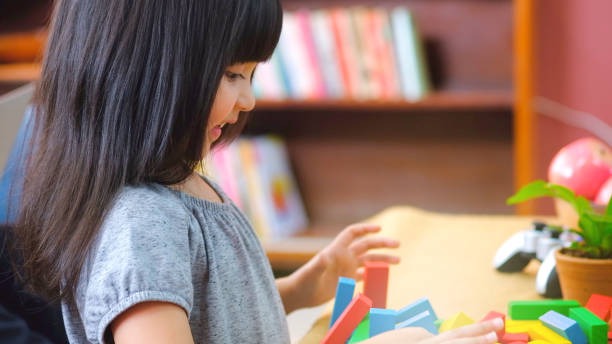
Exploring the world of building can also be an enriching hands-on project. Whether it’s constructing with blocks, creating a fort from blankets, or assembling a model from recycled materials, the act of building fosters spatial awareness and problem-solving skills. Children learn to plan, experiment, and adapt their designs, gaining confidence in their abilities. This creative process can lead to hours of imaginative play, where their creations become the backdrop for stories and adventures.
Integrating nature walks into your routine can add an element of exploration to everyday life. A simple stroll through a local park or even your backyard can turn into a treasure hunt for interesting leaves, rocks, or insects. Encourage children to collect these treasures and later create a nature journal where they can draw or describe their findings. This project nurtures a sense of curiosity and appreciation for the environment, allowing young minds to connect with the natural world.
For those interested in technology, introducing coding through playful activities can be a fantastic way to engage young learners. There are many resources available that use games and stories to teach basic coding concepts. Activities like programming a simple robot or using coding apps designed for children can make learning feel like an exciting adventure. This early exposure to technology can help demystify it, paving the way for a future filled with possibilities.
As children engage in these hands-on projects, it’s important to create a supportive atmosphere where exploration is encouraged, and mistakes are seen as opportunities for learning. Celebrate their efforts and discoveries, no matter how small. This nurturing approach not only builds confidence but also instills a lifelong love for learning.
Incorporating hands-on learning projects into your child’s routine can transform the way they perceive education. These activities provide the freedom to explore, create, and discover, allowing children to develop a sense of agency and curiosity. As they engage with the world around them, they learn valuable skills that will serve them well throughout their lives.
Ultimately, the beauty of hands-on learning lies in its ability to make education feel vibrant and alive. By embracing these projects, parents and caregivers can foster an environment where children thrive, explore, and grow. Each small project can spark a flame of curiosity that leads to a lifetime of learning adventures. In this journey, the possibilities are as limitless as the imaginations of our young ones.