In the vibrant world of elementary education, creativity plays a crucial role in nurturing young minds.
As teachers and parents alike strive to create engaging learning environments, incorporating creative arts projects into the classroom can be a delightful way to spark curiosity and foster self-expression.
These projects not only enhance artistic skills but also promote collaboration, problem-solving, and critical thinking among students.
Exploring various creative arts projects can transform an ordinary classroom into a lively space where imagination knows no bounds. Whether it’s painting, sculpting, or crafting, each activity offers a unique opportunity for children to explore their interests while developing essential life skills.
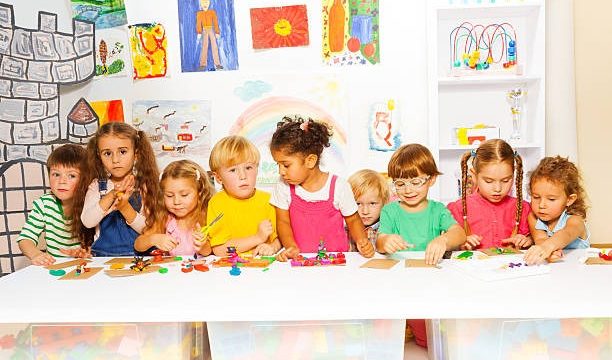
One delightful project to consider is creating a collaborative mural. This project invites students to work together to design and paint a large canvas or wall section. Begin by brainstorming themes that resonate with the class—perhaps nature, community, or even their favorite storybook characters. Each student can contribute a small section, allowing everyone to express their individuality while working towards a common goal. This not only fosters teamwork but also instills a sense of pride in their collective achievement. As they step back to admire their work, students experience the joy of seeing how their diverse talents come together to create something beautiful.
Another engaging idea is to introduce the concept of recycled art. By encouraging students to think about sustainability, they learn the importance of caring for the environment while tapping into their creativity. Collect materials such as cardboard, old magazines, plastic bottles, and fabric scraps, and challenge the class to create sculptures or collages. This project can lead to fascinating discussions about recycling, resourcefulness, and the impact of waste on our planet. In the process, students will not only produce unique pieces of art but also develop a deeper appreciation for the world around them.
Incorporating storytelling into art projects can also be a wonderful way to engage young learners. Consider having students create their own illustrated storybooks. They can write short tales, based on their experiences or wild imaginations, and illustrate each page with their drawings. This not only enhances their writing skills but also allows them to express their thoughts visually. When they share their books with classmates, they experience the joy of storytelling and the power of creativity.
The beauty of creative arts projects is that they can be tailored to suit various age groups and skill levels. For younger students, simple crafts like paper plate masks or finger painting can be both fun and educational. As they explore colors and shapes, they develop fine motor skills and gain confidence in their artistic abilities.
As children grow older, they may enjoy more complex projects, such as printmaking or pottery. Introducing different art techniques can ignite a passion for creativity that lasts a lifetime. For example, clay modeling allows students to explore three-dimensional art, offering a tactile experience that can be both soothing and stimulating. They can create functional items like pots or whimsical sculptures, enriching their understanding of form and texture.
Another gentle approach to creative arts in the classroom is through music and movement. Integrating music into art projects can create a holistic learning experience. For instance, students can listen to various genres of music and then express how the melodies and rhythms inspire their artwork. This fusion of art forms encourages them to think critically about how different mediums can interact and influence each other.
Encouraging students to experiment with various artistic styles can also be a transformative experience. Hosting an “Art Around the World” week can expose students to different cultures and their artistic traditions. Each day, the class can focus on a different country, exploring its history, art forms, and techniques. Students can create artworks inspired by what they learn, from African masks to Japanese origami. This not only broadens their cultural horizons but also fosters respect and appreciation for diversity.
In addition to the art itself, the process of creating art is equally important. Allowing students the freedom to express themselves without the pressure of perfection can cultivate a love for creativity. Emphasizing the joy of the journey, rather than solely the final product, can help them develop resilience and a growth mindset.
As educators and parents, it’s essential to create a supportive environment where students feel safe to take risks and explore their creativity. Encouraging open discussions about their art, asking questions about their choices, and celebrating their efforts can significantly boost their confidence.
Creating an inviting space for art in the classroom can also enhance the overall learning atmosphere. Displaying students’ work on walls or in a dedicated art corner not only beautifies the space but also showcases their achievements. This recognition can be incredibly motivating, inspiring them to continue exploring their artistic talents.
Ultimately, creative arts projects for elementary classrooms offer a rich tapestry of learning experiences. They not only develop artistic skills but also enhance social interaction, emotional intelligence, and cognitive growth. By fostering an environment where creativity is encouraged and celebrated, we can help shape well-rounded individuals who appreciate the beauty of expression in all its forms.
As we continue to navigate the complexities of education, let’s remember the importance of creativity in our classrooms. Incorporating arts projects not only enriches the curriculum but also nurtures the soul, providing students with the tools to express themselves and connect with the world around them. In doing so, we lay the foundation for a generation of innovative thinkers and compassionate individuals.