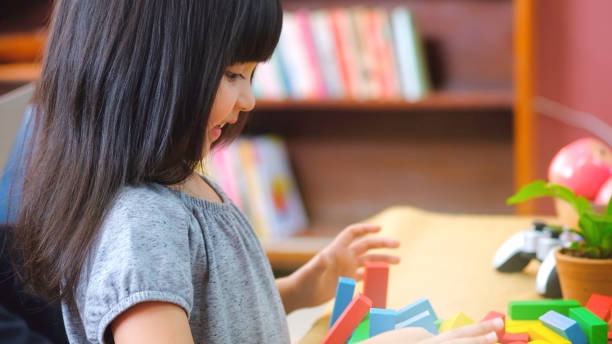
Nurturing a love for science in elementary school children can be an enriching experience, both for the kids and their caregivers.
Engaging in fun science experiments fosters curiosity, creativity, and critical thinking skills.
It’s an opportunity to explore the world around us, and it can be done in a relaxed, enjoyable way right at home or in the classroom. Here are some delightful experiments that will inspire young minds and create lasting memories.
A gentle introduction to science
Before diving into the experiments, it’s important to create an inviting environment. Gather your supplies, which are often common household items. This not only makes it accessible but also allows children to feel that science is a part of their everyday life. A calm, organized space can help set the mood—think of it as a mini-laboratory where curiosity reigns supreme.
The classic volcano eruption
One of the most beloved science experiments is the classic volcano eruption. It’s a splendid way to illustrate chemical reactions. To start, you’ll need baking soda, vinegar, food coloring, and a container. Place the container in a tray to catch any overflow. First, add a few spoonfuls of baking soda to the container. Then, mix a bit of food coloring with vinegar in a separate cup. When you’re ready for the fun, pour the colored vinegar into the baking soda. The reaction will create an exciting fizz, resembling a volcanic eruption. Children will marvel at the bubbling, colorful display, all while learning about acids and bases in a playful manner.
Exploring density with liquids
Another engaging experiment involves exploring the concept of density using liquids. This can be done with a simple layering technique. Gather some clear cups and fill each with different liquids: water, vegetable oil, and syrup, for example. Carefully pour the liquids into a larger clear container, one at a time, allowing each layer to settle. Children will be fascinated to see how the liquids separate, with the syrup at the bottom, followed by water, and then oil on top. This experiment not only captivates but also introduces the idea of density in a visual and tangible way.
Creating a rainbow in a jar
Who doesn’t love a rainbow? Creating a rainbow in a jar is both beautiful and educational. You’ll need sugar, water, and food coloring. Begin by making different concentrations of sugar water: one cup with a high concentration, one with a medium concentration, and one with a low concentration. Color each solution with food coloring. Once prepared, carefully layer the solutions in a clear jar, starting with the highest concentration at the bottom. The contrast in densities will allow the colors to stay separate, resulting in a stunning rainbow effect. Children can learn about solubility and density while enjoying the vibrant colors.
The magic of invisible ink
For those who love a bit of mystery, invisible ink is an exciting experiment. Using lemon juice, children can create secret messages that only reveal themselves when heated. Simply dip a cotton swab or a paintbrush into the lemon juice and write a message on a piece of white paper. Once it dries, the message will be invisible. To reveal the message, hold the paper near a light bulb or a heat source (with adult supervision). The heat will cause the lemon juice to oxidize, making the writing appear brown. This experiment sparks creativity and introduces concepts of chemical reactions in a fun way.
Exploring the power of air pressure
Air pressure is another fascinating concept that can be demonstrated with just a few simple items. Gather a glass, a piece of cardboard, and some water. Fill the glass with water and place the cardboard over the top. With one swift motion, flip the glass upside down while holding the cardboard in place. Carefully remove your hand from the cardboard, and marvel as the cardboard stays in place, preventing the water from spilling. This experiment illustrates air pressure and can lead to discussions about how air exerts force, even though we can’t see it.
The wonders of chromatography
Chromatography can be a delightful way to explore colors and separation. Using coffee filters or paper towels, children can draw circles with different markers. Once they’re finished, place the paper in a small amount of water, ensuring only the bottom is submerged. Watch as the water travels up the paper, separating the colors and creating beautiful patterns. This experiment not only teaches about mixtures but also allows for artistic expression, making it a perfect blend of science and creativity.
The joy of growing crystals
Growing crystals is a magical experience that can take a few days but is well worth the wait. Start with a simple sugar or salt solution. Heat water and dissolve as much sugar or salt as you can until no more will dissolve. Pour the solution into a clean jar and place a string or a stick in the jar to act as a base for the crystals to form. Over a few days, children can observe the crystals growing and changing shape. This experiment is a wonderful lesson in patience and nature’s beauty, as well as a practical application of scientific concepts.
Bringing it all together
Engaging in science experiments can be a beautiful way to bond with children, nurturing their natural curiosity and wonder about the world. It opens doors to discussions about various scientific principles while fostering a sense of accomplishment as they observe and participate in the magic of discovery. Whether it’s erupting volcanoes, colorful rainbows, or secret messages, these experiments not only teach valuable lessons but also create cherished memories.
As you embark on these scientific adventures, remember that the focus is not just on the results but on the journey of exploration. Encourage questions, celebrate discoveries, and enjoy the process together. In this nurturing environment, children will not only learn about science but also develop a lifelong love for learning, curiosity, and creativity.