In the vibrant world of kindergarten, where every day feels like a new adventure, nurturing creativity is one of the most rewarding pursuits for both educators and parents.
Creativity is not just an innate talent; it’s a way of thinking, a lens through which children can explore their surroundings and express their unique perspectives.
As adults, we have the wonderful opportunity to foster this creativity, allowing children to grow into imaginative thinkers and problem solvers.
A world of imagination
At its core, creativity involves the ability to think outside the box and approach challenges with a fresh perspective. In kindergarten, children are naturally curious and open to new ideas. They are like little sponges, absorbing everything around them, and it’s essential to create an environment that encourages this curiosity to flourish. Simple changes in routine and environment can have a profound impact on their creative development.
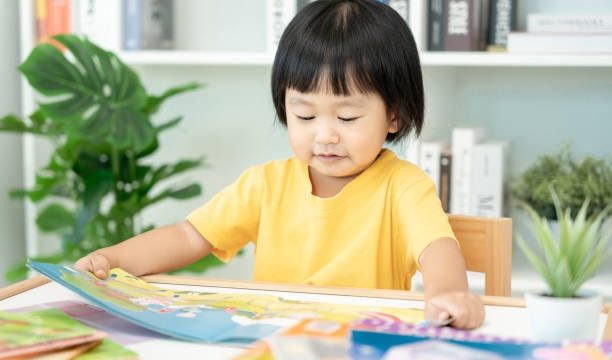
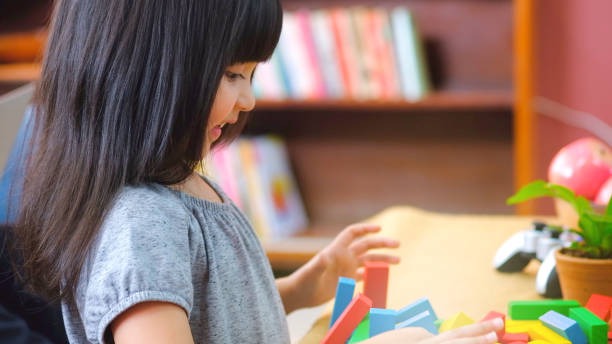
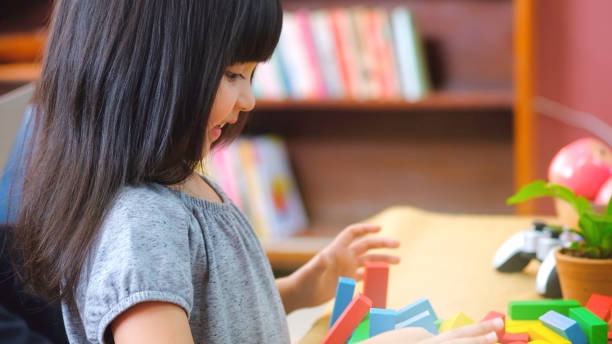
One way to cultivate creativity is by providing a variety of materials for exploration. Think of art supplies, building blocks, or even natural items like leaves and stones. When children have access to diverse materials, they can experiment freely, combining elements in ways that spark their imagination. A box of crayons can become a portal to an entire universe, transforming a blank page into a vibrant scene filled with fantastical creatures or distant lands.
Creating a safe space
Another essential aspect of fostering creativity is creating a safe and supportive environment. Children thrive when they feel secure, free to express themselves without fear of judgment. Encouraging them to share their ideas and creations with confidence can help build their self-esteem. Celebrate their efforts, no matter how small, and encourage them to see mistakes as part of the creative process. This gentle approach nurtures resilience, allowing them to take risks and embrace the unknown.
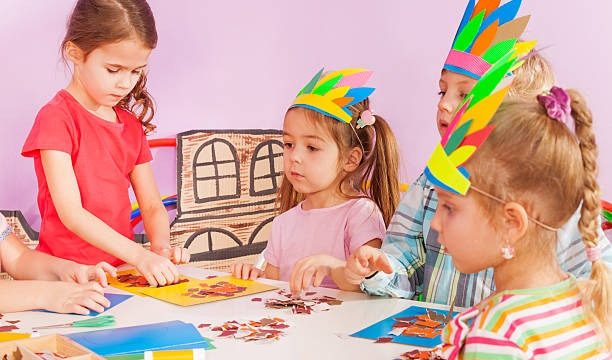
Engaging in open-ended play is another wonderful way to support creativity. Allowing children to engage in imaginative play, whether through dress-up or role-playing, lets them explore different perspectives and scenarios. This type of play encourages storytelling, problem-solving, and collaboration with peers. When children create their own narratives, they develop critical thinking skills that will serve them well throughout their lives.
The beauty of collaboration
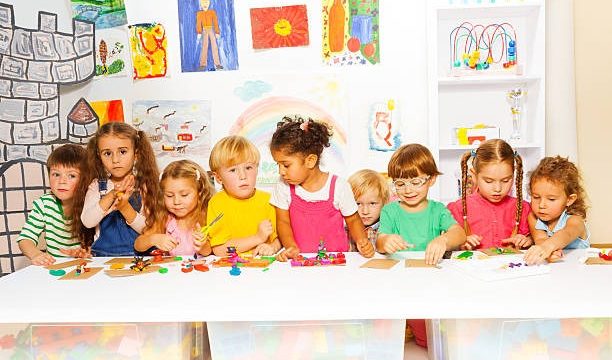
Collaborative projects can also be a fantastic avenue for creativity. Working together on a group art project, for instance, allows children to share ideas and learn from each other. They discover the joy of combining their unique visions into one cohesive piece. This fosters a sense of community and teaches them the value of teamwork, which is an essential skill in both creative endeavors and everyday life.
Incorporating music and movement into the kindergarten curriculum can further enhance creativity. Music is a powerful medium that can inspire children to express themselves in new ways. Whether it’s through dancing, singing, or playing instruments, engaging with music allows children to explore rhythm, sound, and emotion. Movement, too, can stimulate creativity. Simple activities like dance or yoga can help children connect their bodies and minds, sparking a sense of freedom that is essential for creative expression.
A gentle reminder of nature’s role
Nature also plays a significant role in developing creativity in young children. Outdoor play provides endless opportunities for exploration and imagination. A walk in the park can turn into a treasure hunt, with children discovering unique rocks, insects, and plants. These experiences not only ignite their curiosity but also foster a sense of wonder about the world around them. Encouraging outdoor play allows children to engage with their environment, leading to creative ideas and solutions inspired by nature.
As parents and educators, it’s essential to be mindful of how we introduce technology into a child’s life. While there are many educational tools available, it’s crucial to strike a balance. Technology can be a useful resource for creativity, offering interactive experiences and access to a wealth of information. However, it’s important to ensure that it complements rather than replaces hands-on, imaginative play. Encouraging children to create their own stories, drawings, or even simple animations can provide a healthy blend of technology and creativity.
Finding joy in the process
Ultimately, nurturing creativity in kindergarten is about finding joy in the process rather than focusing solely on the end result. Encouraging children to explore their interests and passions allows them to develop a sense of ownership over their creative journey. Whether they are painting a picture, building a fort, or crafting a story, it’s the experience of creating that truly matters.
As we support children in their creative endeavors, it’s essential to remember that every child is unique. Some may gravitate toward visual arts, while others may find their passion in music or storytelling. Embracing these individual differences allows us to foster a rich tapestry of creativity within the classroom and at home.
In conclusion, helping children develop creativity in kindergarten is a beautiful journey filled with exploration, imagination, and growth. By creating supportive environments, providing diverse materials, and encouraging open-ended play, we empower children to express themselves and think creatively. The skills they cultivate during these formative years will serve them well throughout their lives, enabling them to navigate challenges with confidence and innovation. As we guide them on this path, we not only enrich their lives but also contribute to a more imaginative and vibrant world for all.